 Français
 English


Safer injecting: 10 μm membrane filters
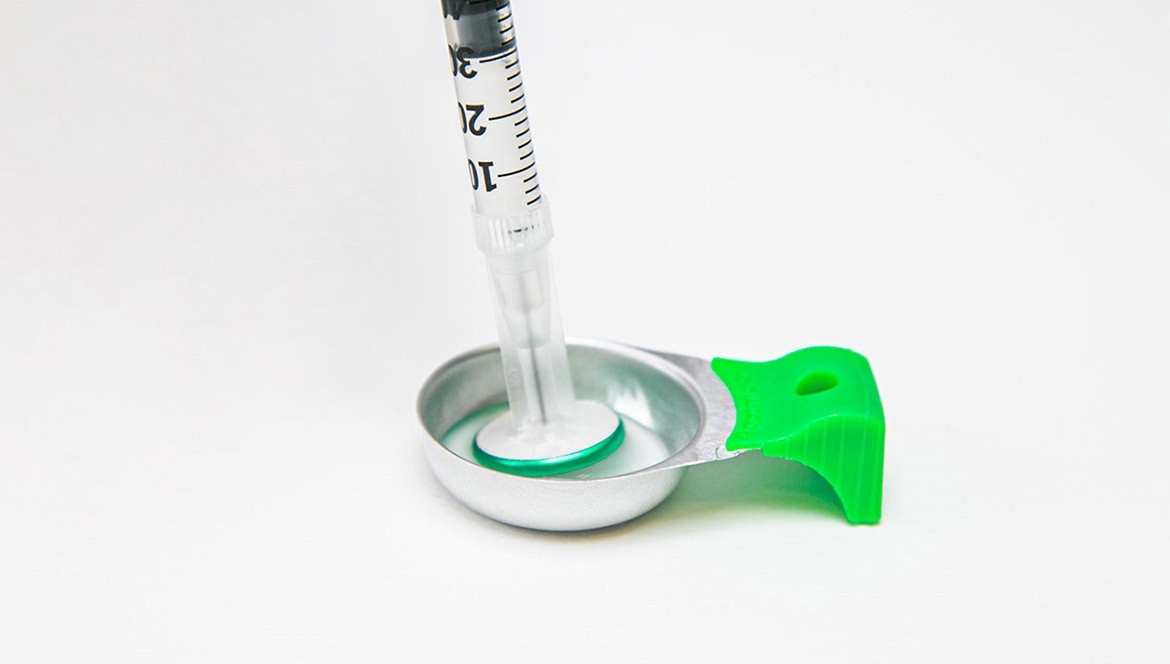
Before injecting, people who inject drugs generally filter the mixture to be injected, in order to eliminate "insoluble particles".
They often use 1 of 3 types of filters:
- Makeshift filters, such as cigarette filters or cotton balls, which are not sterile and somewhat ineffective;
- Sterile cotton filters, which are ready-to-use and eliminate up to 90% of particles;
- Membrane filters, such as the Sterifilt BASIC and Sterifilt FAST, which eliminate all insoluble particles.
What are insoluble particles?
These are undissolved substances found in preparations injected by people who inject drugs. These solid micro-particles, such as talc and starch, are found in:
- Cutting agents from street drugs;
- Medication excipients, which are substances formulated alongside the active ingredient of the medication.
The average size of particles that have been observed to cause complications is between 9 μm and 23 μm (microns). They are invisible to the naked eye.
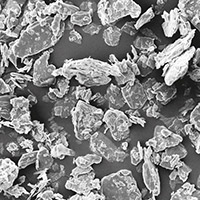
Particle of talc seen under an electronic microscope
(Source: MVA)
Why is it important to filter insoluble particles?
When injected, these particles remain solid in the blood.
Accumulation in the blood vessels
With repeated injections, these particles become blocked and accumulate in the capillaries, which are the smallest blood vessels. In the long term, this accumulation can alter the function of several organs, and notably the lungs, leading to severe respiratory disorders.
Venous complications
The injection of insoluble particles can lead to the formation of clots in the veins, i.e., deep vein thrombosis. These clots can cause pulmonary embolisms.
Filtration is the only effective means of reducing these risks.
Benefits of Sterifilt BASIC and Sterifilt FAST filters
Effectiveness
These filters are composed of a membrane with a porosity of 10 μm. This means that they eliminate all particles with a diameter greater than 10 μm, which are those that cause health complications.
However, filtration does not eliminate active substances, which are dissolved in the solution to be injected.
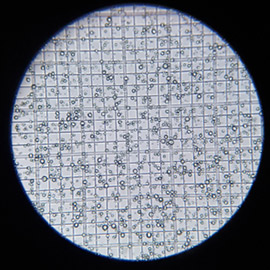
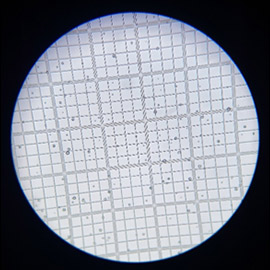
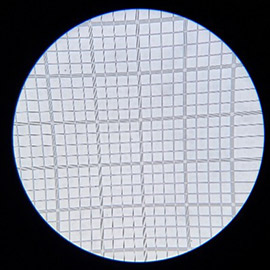
Insoluble particles (starch), with a diameter of 10 μm
160x enlargement
Sterility
These filters are sterile and single-use.
Unlike cotton filters, which retain a portion of the active substance and are therefore often used more than once, membrane filters are less subject to reuse and sharing..
The use of membrane filters thus reduces the risk of bacterial and viral contamination (HIV, hepatitis C) compared to cotton filters.
Compatibility with numerous syringes
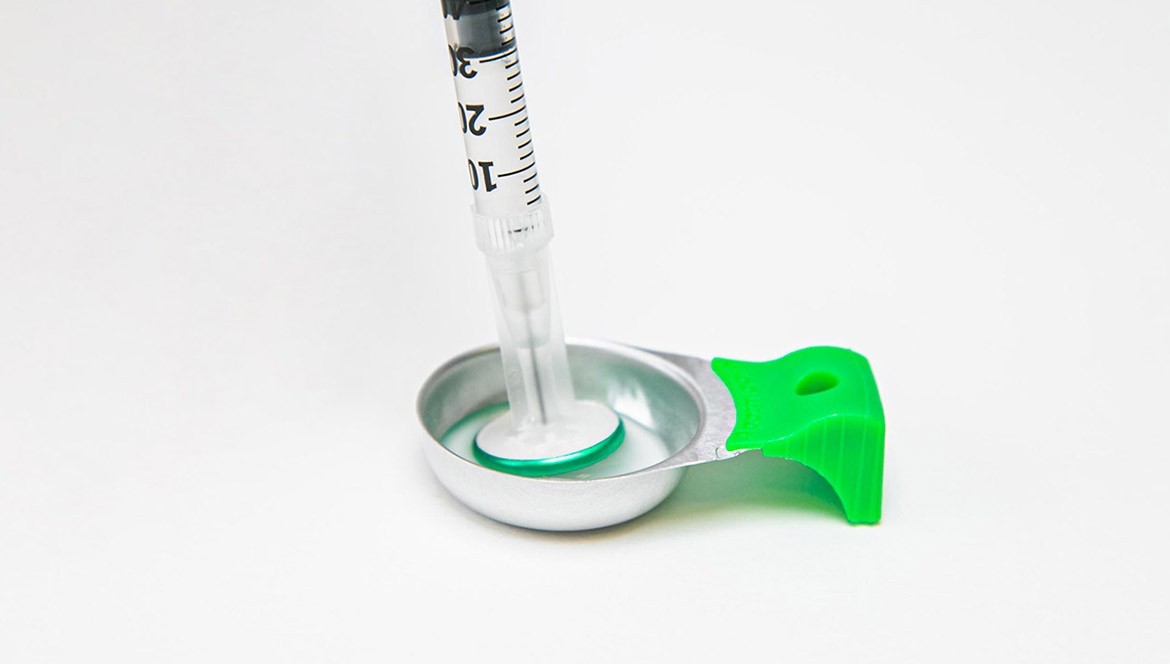
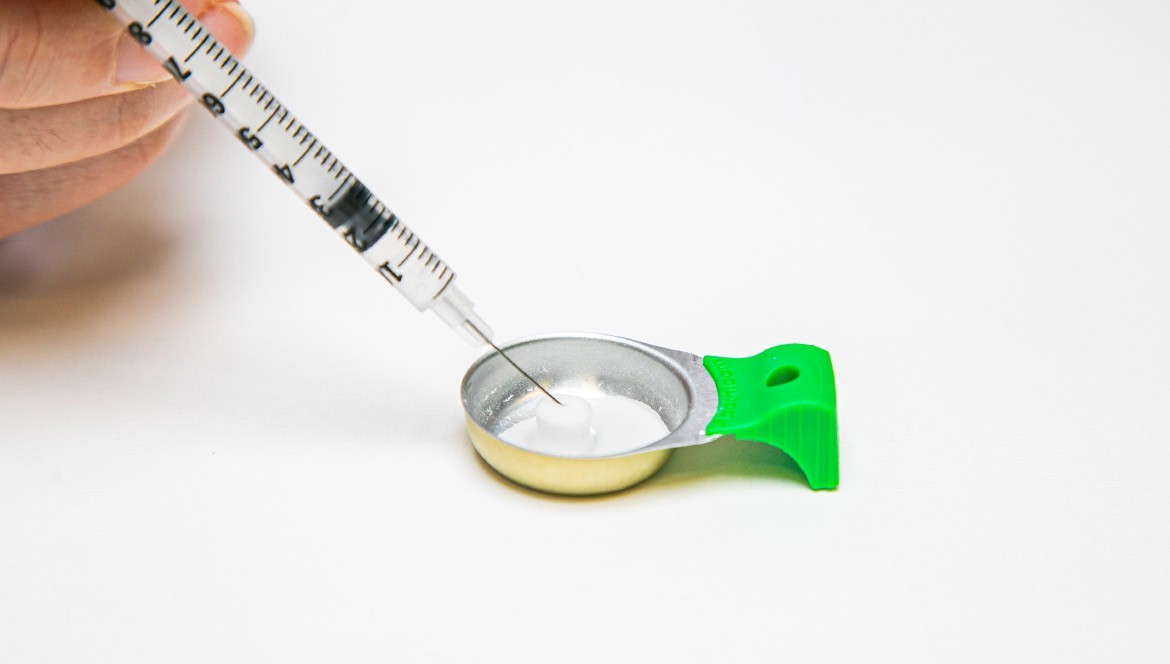
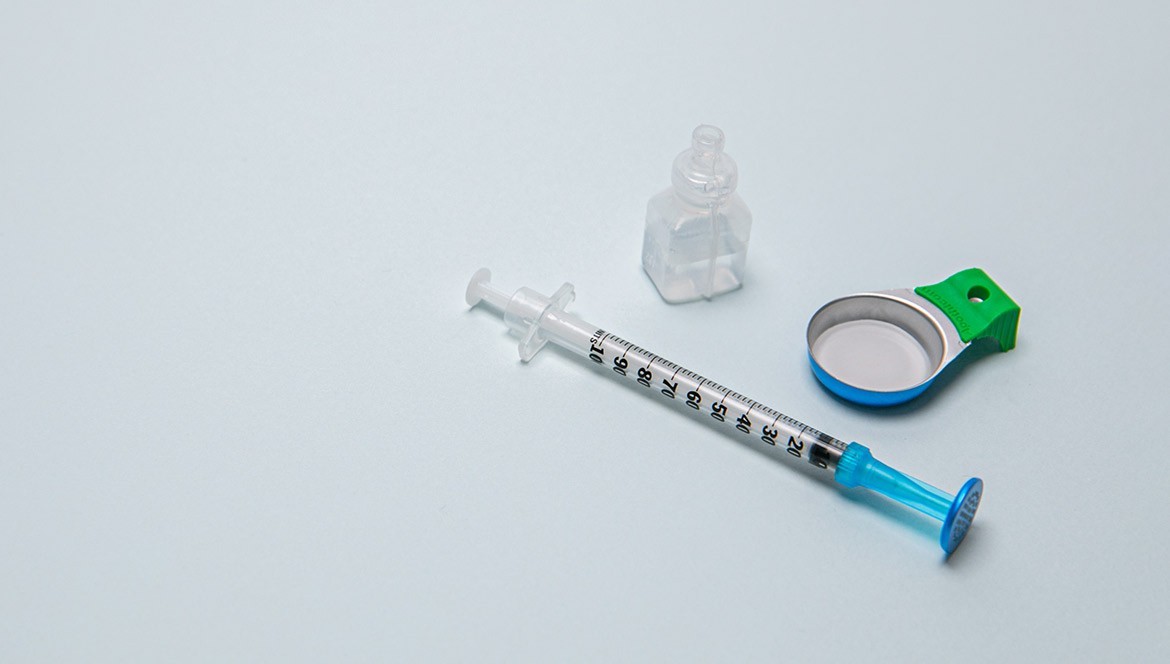
Sterifilt BASIC and Sterifilt FAST must be attached to a syringe to allow for filtration, and are compatible with:
- Luer Slip syringes without needle
- Most 1 ml fixed needle syringes.
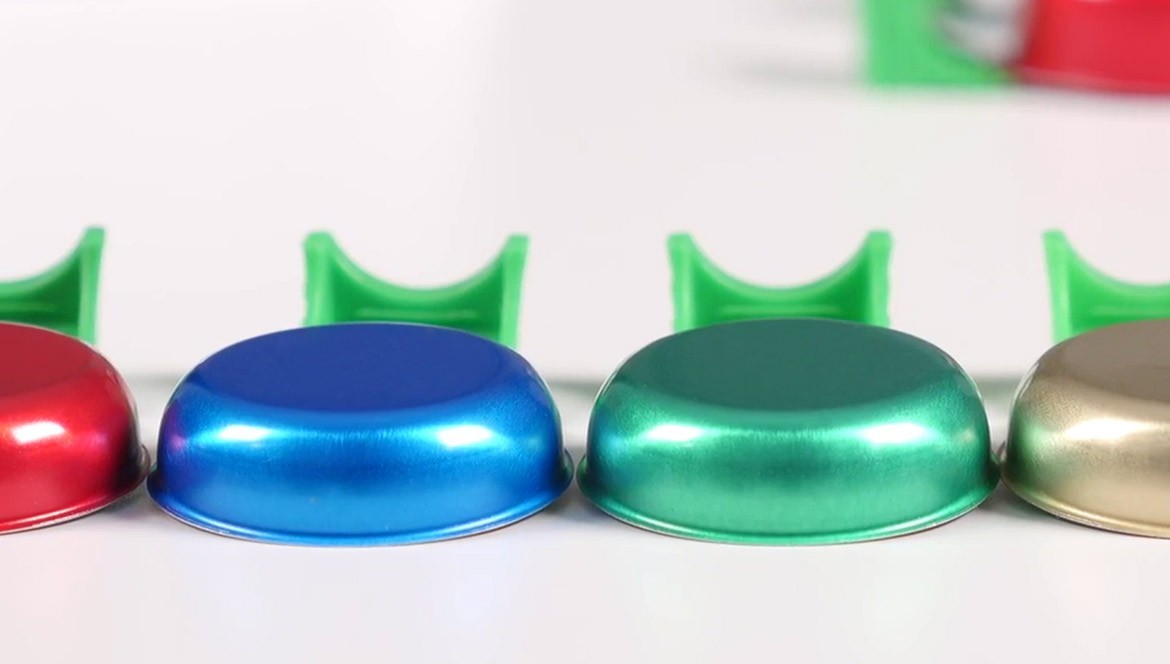
Sterifilt BASIC or Sterifilt FAST ?

Sterifilt BASIC
- Membrane: 10 μm
-
- Eliminates all harmful insoluble particles
- Diameter: 10 mm
- Suitable for: Powders
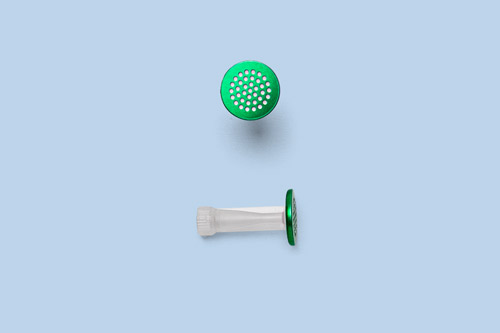
Sterifilt FAST
- Membrane: 10 μm
-
- Eliminates all harmful insoluble particles
- Diameter: 15 mm
- Suitable for: Viscous / thick products (crushed pills)
Highlights for Sterifilt BASIC and Sterifilt FAST

Effectiveness
They eliminate 100% of harmful particles, offering protection for both veins and general health.

Safety
Their use reduces the risk of bacterial and viral contamination compared to cotton filters.

Suitability for various injection practices
They can be used to filter powders and crushed pills. They are compatible with a wide variety of syringes.